

Artikel
The National Cuisine of Montenegro: A Taste of the Adriatic
Montenegro, a small country with a rich history, nestled along the Adriatic Sea, offers a unique culinary experience that mirrors its diverse geography and cultural influences. The national cuisine of Montenegro is a flavorful blend of Mediterranean and Eastern European traditions, with a strong Italian influence along the coast and Slavic touches in the interior. Lets explore the distinctive dishes, ingredients, and culinary practices that define Montenegrin cuisine.
A Blend of Sea and MountainMontenegro's cuisine reflects its landscape, divided between the coastal region with its Mediterranean flavors and the mountainous northern region, where heartier dishes predominate. The coastal area boasts an abundance of seafood, olive oil, and fresh vegetables, featuring dishes reminiscent of Italian cuisine. Meanwhile, the northern part of the country offers more robust flavors, with meat and dairy products taking center stage.
Coastal Delights
The Adriatic coast of Montenegro is renowned for its seafood. The clean, crystal-clear waters provide an excellent environment for fish and shellfish, which are expertly prepared in Montenegrin kitchens. In the coastal towns of Kotor, Budva, and Herceg Novi, seafood is a staple. One cannot visit Montenegro without trying crni rižot, a black risotto made with cuttlefish or squid ink. Another beloved dish is buzara, a method of preparing seafood, particularly mussels and prawns, with a sauce of white wine, garlic, parsley, and breadcrumbs, showcasing the simplicity and freshness of Mediterranean cooking.
Mountainous Feasts
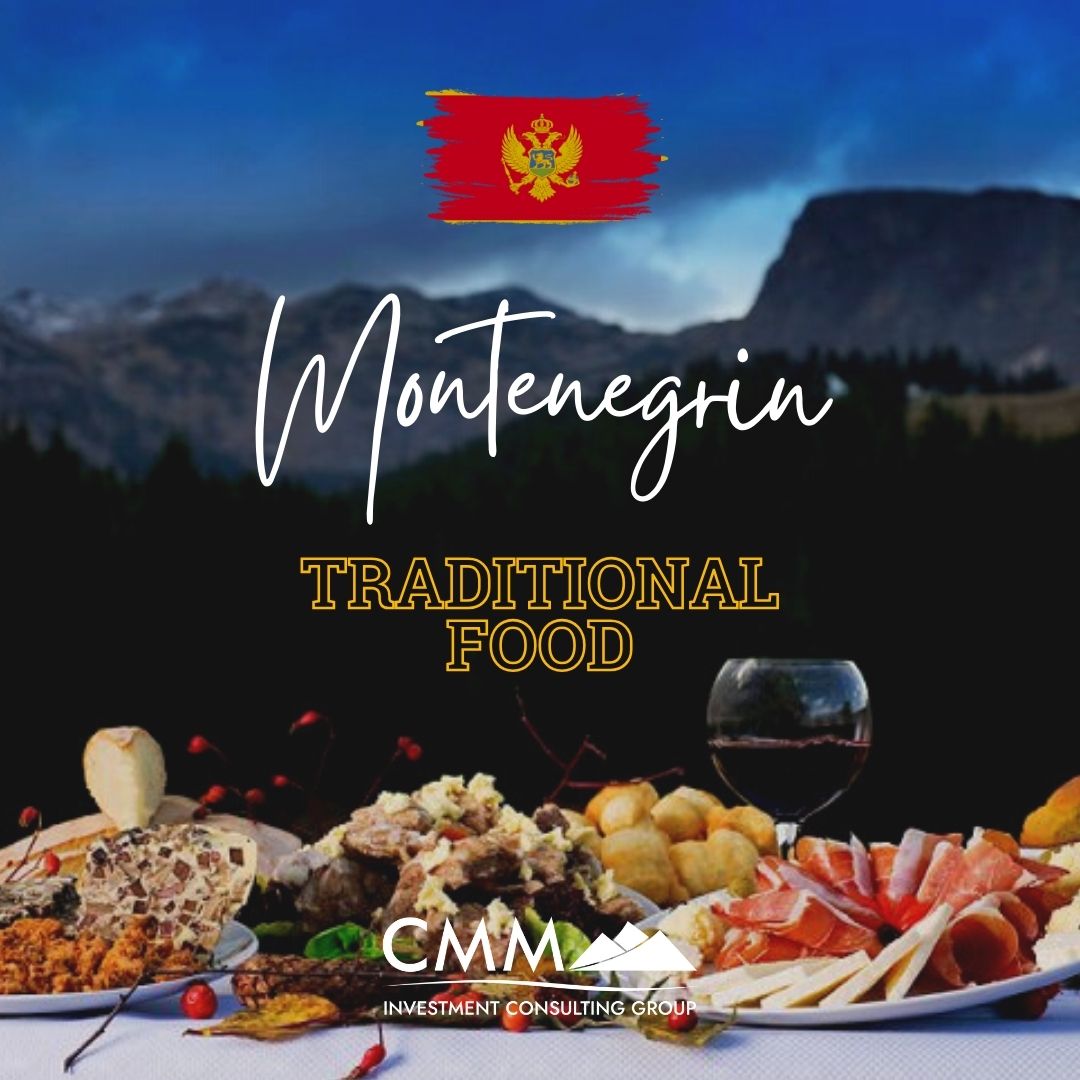
Moving inland, the cuisine becomes heartier. Njeguši prosciutto and Njeguši cheese, from the village of Njeguši, are renowned for their distinctive flavors, achieved through traditional smoking and aging processes. Kačamak, a hearty dish made from cornmeal, potatoes, and cheese, and japraci, rolls of grape leaves filled with minced meat and rice, are testament to the region's ability to combine simple ingredients into rich, satisfying meals.
Influences and Ingredients
Montenegrin cuisine is a testament to the country's history of foreign rule, including Venetian, Ottoman, Hungarian, and Austrian influences. Ingredients like olives, citrus fruits, and seafood speak to its Mediterranean heritage, while dishes such as ćevapi, grilled minced meat sausages, and burek, a flaky pastry filled with meat, cheese, or spinach, reflect the Ottoman legacy.
The Role of Rakija and Wine
No Montenegrin meal is complete without rakija, a potent fruit brandy, or a glass of Montenegrin wine. Rakija is often homemade, with plum, grape, and apricot being popular flavors. Montenegro's wine industry is growing, with Vranac and Krstac being among the most notable indigenous grape varieties, producing wines that are gaining international recognition and winning awards.
The Heart of Montenegrin Culture
Montenegro's cuisine is as varied and captivating as its landscape, offering a delectable journey through the country's cultural and geographical diversity. From the seafood-rich dishes of the Adriatic coast to the hearty, comforting meals of the northern mountains, Montenegrin food provides a unique window into the nation's soul. Whether savoring crni rižot by the sea or enjoying kačamak in the shadow of the mountains, visitors and residents of Montenegro are sure to find dishes that not only satisfy the palate but also tell the story of this fascinating country.
22.02.2024