

Articles
The Easter Traditions in Montenegro: A Tapestry of Faith and Culture
In Montenegro, Easter is not only a significant religious holiday but also a vibrant cultural event, celebrated with a deep sense of community and tradition. Reflecting the country's rich Orthodox Christian heritage, Easter in Montenegro is a time of spiritual renewal, familial bonds, and the welcoming of spring.
In Montenegro, Easter is not only a significant religious holiday but also a vibrant cultural event, celebrated with a deep sense of community and tradition. Reflecting the country's rich Orthodox Christian heritage, Easter in Montenegro is a time of spiritual renewal, familial bonds, and the welcoming of spring. This piece explores the unique customs, culinary delights, and communal activities that mark the Easter celebration in Montenegro, providing a glimpse into the soul of its people and their enduring traditions.For many across the world, Easter took place earlier this month, however, for Montenegrins who traditionally follow an Orthodox heritage, their Easter weekend will be celebrated on the 5th May.
The Preparation: Fasting and Reflection
The journey to Easter in Montenegro begins with the Great Lent, a period of fasting and reflection lasting forty days. During this time, Montenegrins engage in spiritual preparation, abstaining fr om meat, dairy, and, in some cases, oil and wine, mirroring the sacrifices and teachings of Christianity. This period is not just about physical restraint but also about emotional and spiritual cleansing, fostering a sense of community and shared experience.
Palm Sunday: The Entry into Holy Week
Palm Sunday heralds the beginning of Holy Week in Montenegro, with the faithful attending church services to commemorate Jesus Christ's triumphant entry into Jerusalem. Instead of palm fronds, which are not native to the region, worshippers carry branches of olive or willow, symbols of peace and renewal, that are blessed in the church. These branches are then taken home and placed in a prominent position as a blessing for the household.
The Holy Fire: A Spectacle of Light
One of the most awe-inspiring Easter traditions in Montenegro is the ceremony of the Holy Fire. This ancient ritual, observed on the eve of Orthodox Easter, involves the lighting of a bonfire outside the church, symbolizing Jesus Christ's resurrection and the triumph of light over darkness. Parishioners gather around the fire, sharing in prayer and anticipation of the Easter service.
Easter Sunday: A Day of Joy and Reunion
Easter Sunday in Montenegro is a culmination of spiritual journey and anticipation. The day begins with a midnight church service, leading into the early hours of the morning, where the proclamation of "Christ is Risen!" is met with the joyous response of "Truly He is Risen!" Families then return home for a festive meal, breaking their fast with a feast that typically includes richly decorated eggs, roasted meats, and a variety of traditional dishes.
The Art of Egg Decorating
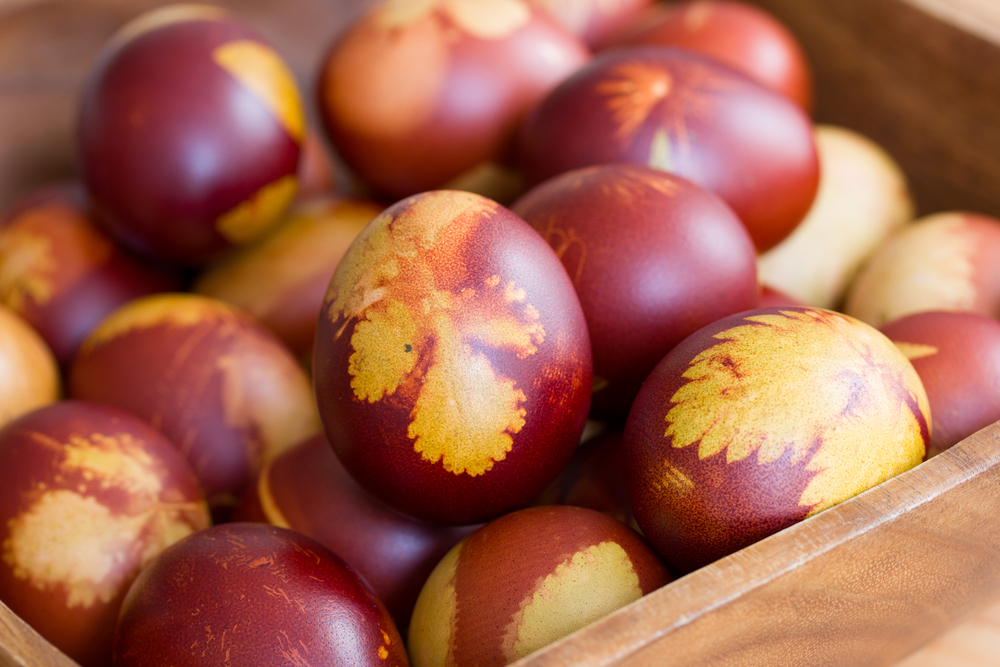
Egg decorating is a cherished Easter tradition in Montenegro, with the first egg, painted red to symbolize the blood of Christ, holding a place of honor. The process of decorating eggs, or "pisanice," is a family activity, with patterns and colours varying from simple to intricate designs. These eggs are not only decorative but also serve as tokens of love and friendship, exchanged among family and friends with wishes of health and happiness.
Community and Continuity
Easter in Montenegro transcends religious observance, embedding itself in the fabric of societal life. It is a time for reconciliation, wh ere old grievances are forgiven, and families, even those separated by distance, strive to reunite. The customs and rituals, passed down through generations, are a testament to the Montenegrin spirit, blending faith, heritage, and community into a rich tapestry of cultural identity.
04.04.2024