

Articles
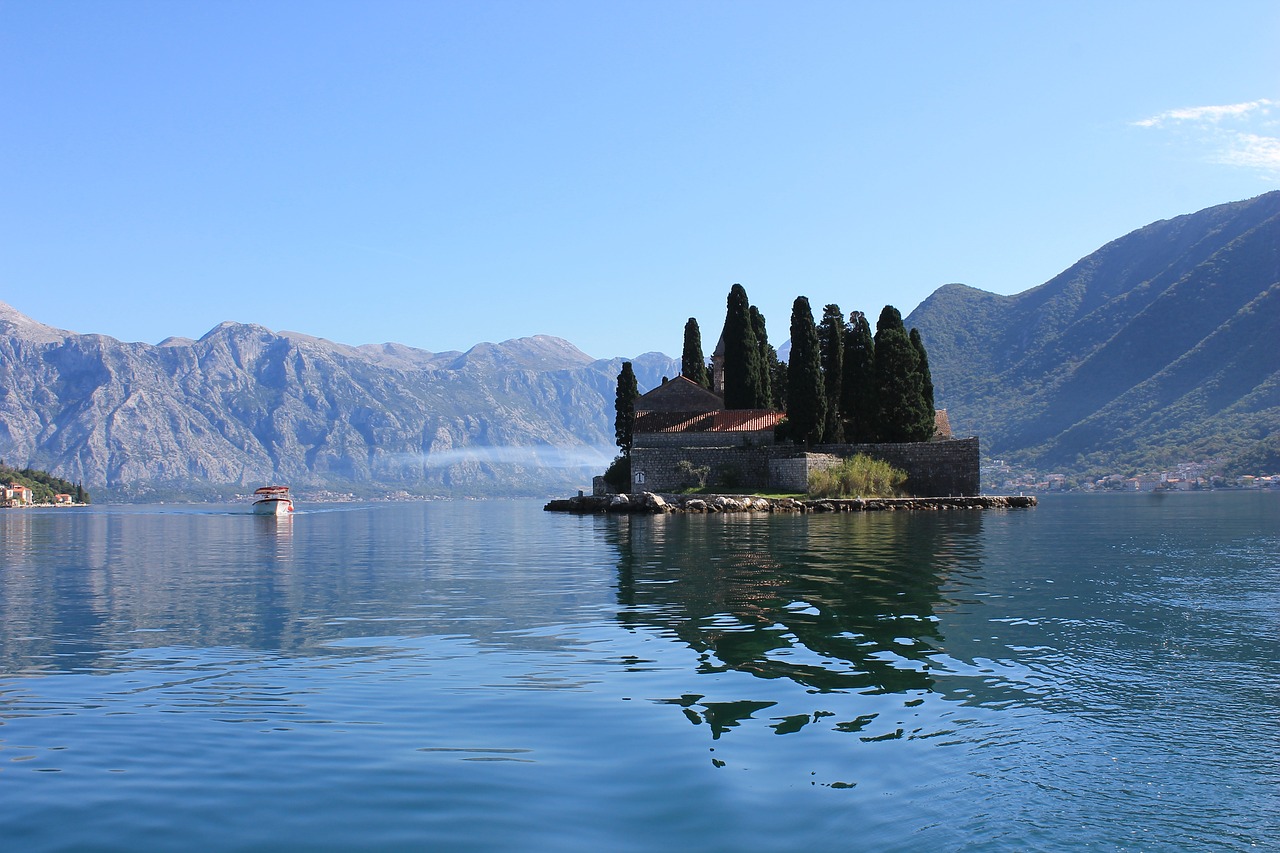
Montenegro - Keeping the Traditions Alive
Montenegro, a country steeped in a rich tapestry of history and culture, continues to preserve several ancient traditions that are as vibrant today as they were centuries ago. Here are some of the most enduring traditions that form the cultural backbone of this fascinating Balkan nation.
Montenegro, a country steeped in a rich tapestry of history and culture, continues to preserve several ancient traditions that are as vibrant today as they were centuries ago. Here are some of the most enduring traditions that form the cultural backbone of this fascinating Balkan nation.1. Slava – The Celebration of Family Patron Saints
One of the most cherished traditions in Montenegro is the celebration of Slava. This unique Serbian Orthodox Christian practice involves families commemorating their patron saint's feast day annually. The tradition is a familial legacy, passed down through generations, where the family gathers for a day of feasting, prayer, and unity. The ritual includes the preparation of special foods like "koljivo," a dish made of wheat and honey, and the lighting of a candle in honor of the saint, symbolizing eternal light and blessing.
2. Gusle – The Epic Storytelling through Music
The gusle, a single-stringed musical instrument, accompanies the oral tradition of singing epic poems and tales. This form of musical storytelling is deeply rooted in Montenegrin culture and is a revered art form that recounts the history, myths, and heroic deeds of the Montenegrin people. The guslar, or the player, often performs at gatherings and community events, preserving the nation's history and conveying moral and ethical lessons through verses.
3. Krsna Slava – Village Patron Saint Days
Similar to the family-based Slava, Krsna Slava involves the celebration of a village's patron saint. This communal event fosters a strong sense of community and belonging among the villagers. It's a day marked by a communal feast, traditional music, and dance, with rituals that bless the village and its inhabitants with health, prosperity, and peace. The celebrations are both a spiritual observance and a social event, reinforcing communal ties.
4. The Traditional Montenegrin Wedding
Montenegrin weddings are grand, vibrant affairs that blend ancient customs with modern festivities. Traditional weddings can last several days, featuring a series of rituals that include the firing of guns, the performance of traditional dances like the "oro," and the wearing of folk costumes. These weddings are not just a union of two individuals but a communal celebration of heritage and joy.
5. Podgorica’s Vasilica Day
Every January, the capital city of Podgorica celebrates Vasilica Day, a tradition that dates back centuries. The day is marked by a large fair where artisans, crafters, and traders from across the country come together. It's a day of cultural significance, showcasing Montenegrin crafts, culinary delights, and performances, drawing people from all walks of life to participate in the festivities.
These traditions, deeply embedded in the cultural fabric of Montenegro, not only highlight the country's rich historical legacy but also its ongoing commitment to preserving its cultural identity. Through these practices, Montenegrins connect with their past, celebrate the present, and pass on a rich cultural heritage to future generations.
10.05.2024