

Articles
A Brief History of Budva - Montenegro
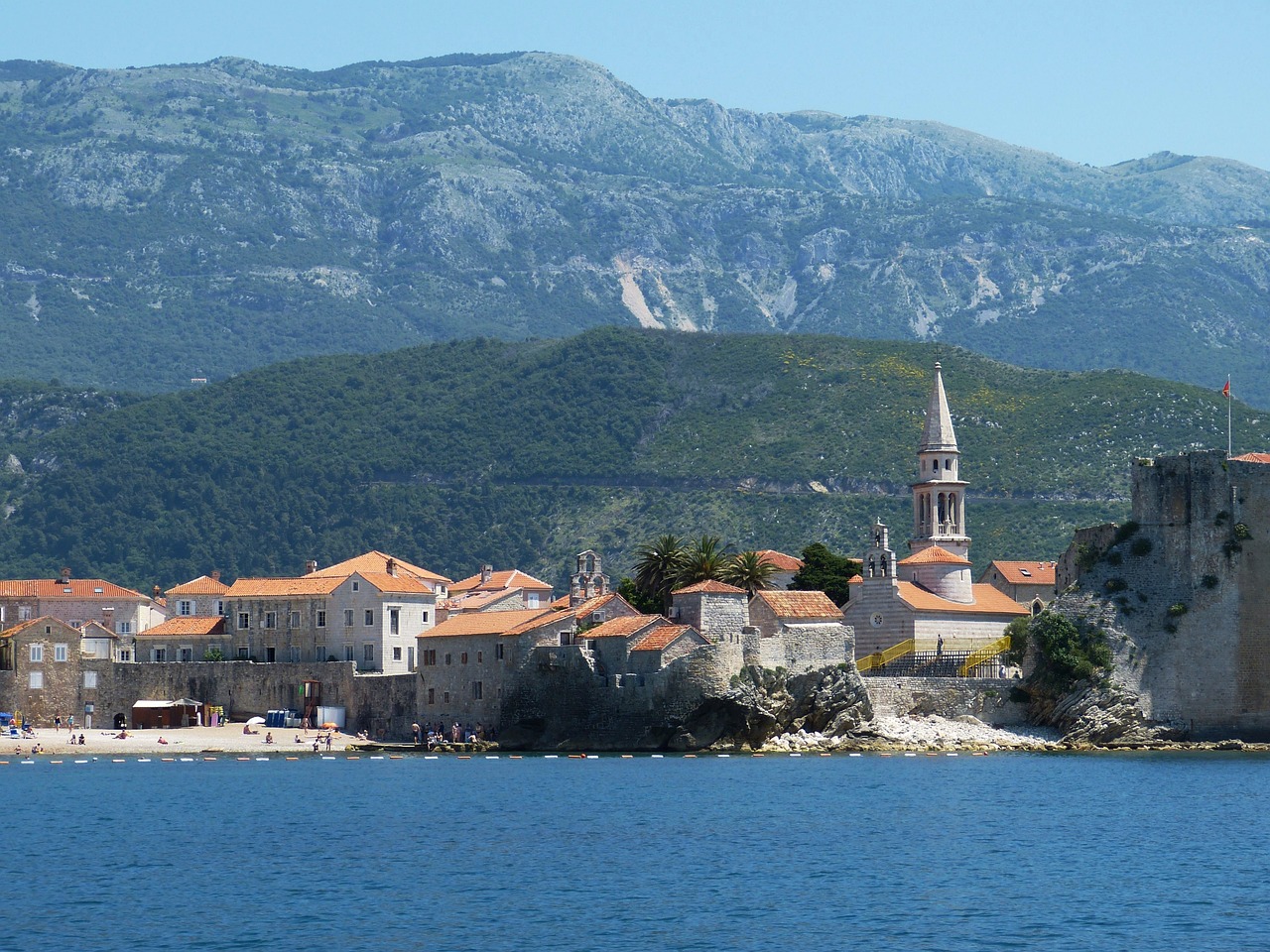
Nestled along the Adriatic Sea in the heart of the Balkans, Budva stands as a testament to the rich tapestry of history that has shaped the region for centuries. With its charming Old Town, pristine beaches, and vibrant culture, Budva is a jewel in Montenegro's crown. The city's history is a fascinating journey through time, marked by conquests, civilizations, and cultural exchanges.
Nestled along the Adriatic Sea in the heart of the Balkans, Budva stands as a testament to the rich tapestry of history that has shaped the region for centuries. With its charming Old Town, pristine beaches, and vibrant culture, Budva is a jewel in Montenegro's crown. The city's history is a fascinating journey through time, marked by conquests, civilizations, and cultural exchanges.Ancient Beginnings
Budva's history dates back to ancient times, with evidence suggesting that the area was settled as far back as the 5th century BC by the Illyrians, an ancient Indo-European people. The Illyrians established a fortified settlement on the rocky peninsula where Budva's Old Town now stands. This strategic location allowed them to control trade routes and protect against potential invaders.
Roman Influence
In 168 BC, the Roman Republic conquered the Illyrian territories, including Budva. The city, became an essential part of the Roman province of Dalmatia. Under Roman rule, Budva flourished as a bustling trading hub, benefiting from its access to the Adriatic Sea. The remains of Roman villas, walls, and fortifications are still visible today, a testament to the city's significance during this era.
Byzantine and Middle Ages
As the Roman Empire declined, Budva came under the influence of the Byzantine Empire. The city witnessed a series of power shifts, with Slavic tribes and various medieval states vying for control. Throughout this period, Budva remained a strategic maritime outpost and an important center for trade, cultural exchange, and religious development. The city's eclectic architectural styles and religious monuments reflect this mix of influences.
Venetian Dominion
One of the most impactful chapters in Budva's history came with the arrival of the Venetian Republic in the 15th century, who ended up ruling for around 400 years. The Venetians recognized the city's strategic significance and under Venetian rule, the city's fortifications were significantly expanded, with iconic walls encircling the Old Town. The Venetians also left an indelible mark on Budva's architecture, evident in the elegant palaces, churches, and squares that define the cityscape.
Ottoman and Habsburg Rule
Budva's fate briefly shifted between 1572 and 1573 when it fell under the dominion of the Ottoman Empire, but, it was returned to Venetian rule in 1573 under the Treaty of Constantinople. The city then came under the influence of the Habsburg Monarchy with the fall of the Republic of Venice in 1797. This period of alternating control left its mark on the city's cultural fabric, leading to an intriguing blend of architectural styles, traditions, and influences.
Austria-Hungary & World War 2
In 1807 the City of Budva was relinquished to the French who ruled until 1813 when it was ceded to the Austrian Empire who remained in control for the next 100 years. After the First World War, it was then abandoned, and it came under the Kingdom of Yugoslavia. World War Two saw it then annexed by Italy, before finally being liberated by the Allies in 1944.
Contemporary Budva
Since becoming independent in 2006, Budva's transformation into a renowned tourist destination has really accelerated. The city's breathtaking beaches, vibrant nightlife, and rich cultural heritage has drawn visitors from around the world. The Old Town, with its labyrinthine streets and well-preserved architecture, remains a focal point for tourists and locals alike.
Today, Budva continues to evolve as a modern European city while preserving its historical legacy. The city's ability to blend its ancient past with contemporary aspirations showcases the resilience of its people and their commitment to honoring their heritage. Efforts to preserve Budva's historical heritage have been ongoing for years. Conservation initiatives, restoration projects, and UNESCO recognition for the Old Town's cultural significance have all played a crucial role in safeguarding the city's past for future generations to enjoy.
A Living Testament
The history of Budva is not confined to the pages of a textbook; it's a living testament to the countless civilizations, cultures, and people who have left their mark on this coastal gem. As visitors stroll through the cobbled streets, gaze at ancient fortresses, and listen to tales of days gone by, they become a part of Budva's intricate tapestry of time—a tapestry woven from the threads of history, resilience, and human connection.
23.08.2023